
Organic vs Chemical Fertilisers: Which Should You Use?

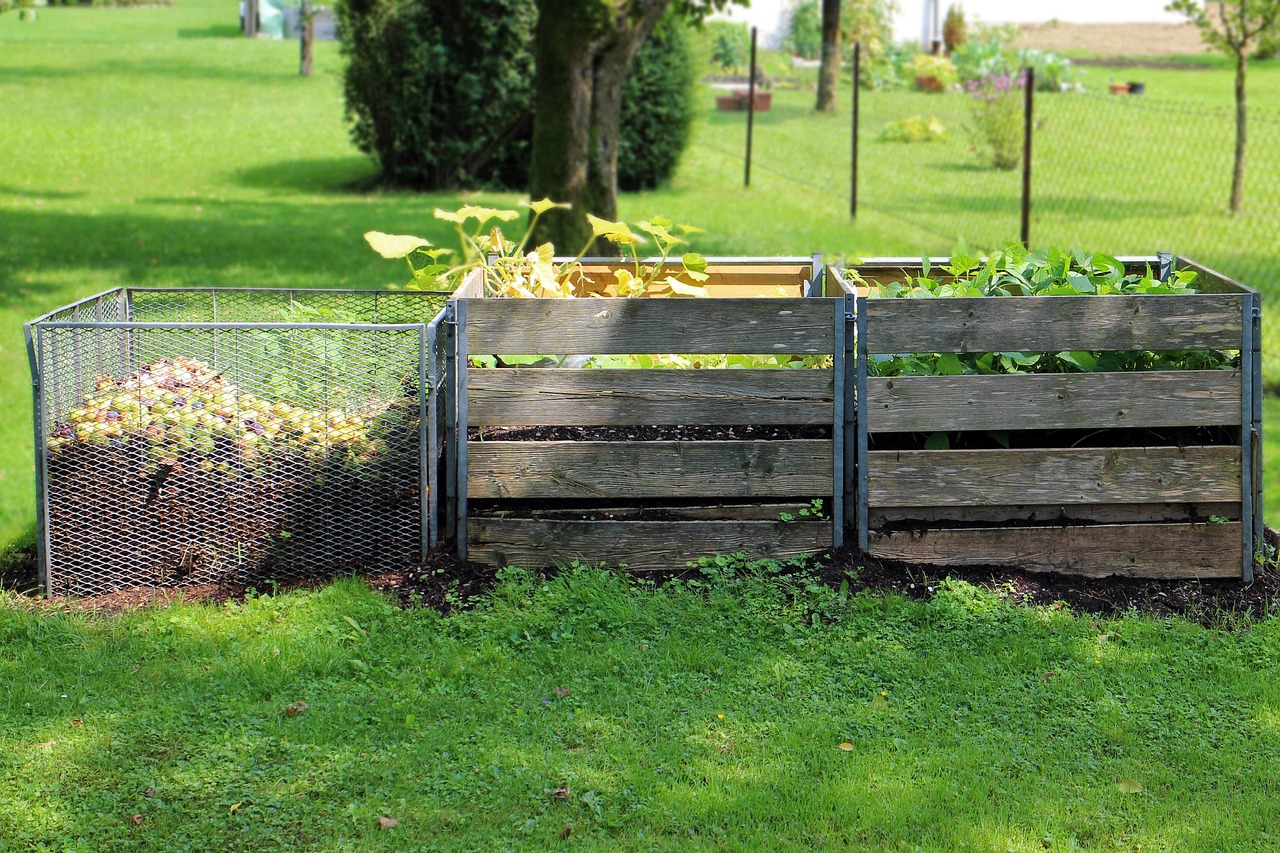
Two ways to feed your plants
Both organic and chemical (synthetic) fertilizers feed plants, but they work differently and suit different needs. Understanding both helps you choose wisely for your garden.
Organic fertilizers
Made from natural sources — compost, manure, bone meal, vermicompost, neem cake. They release nutrients slowly and improve soil health over time.
- Pros: improves soil structure, long-lasting, eco-friendly, low risk of burning plants.
- Cons: slower results, lower nutrient concentration, bulkier to use.
Chemical fertilizers
Manufactured with precise, concentrated nutrients (like NPK blends). They act fast and deliver exact amounts of nutrients.
- Pros: fast results, precise nutrient control, concentrated and easy to apply.
- Cons: can burn plants if overused, doesn’t build soil health, overuse can harm soil long-term.
Which should you choose?
- Organic: for long-term soil health and a natural garden.
- Chemical: for fast results and correcting specific deficiencies.
Why not both?
Many successful gardeners use both — organic matter to build healthy soil, with chemical fertiliser for a targeted boost when plants need it. A combined approach often gives the best of both.
Use either responsibly
Whichever you choose, follow the recommended dose. Over-fertilising — organic or chemical — can harm plants and the soil. More is not better.
Find both organic and chemical fertilizers at Marvelle Trading — delivered free across India, with 7-day returns.